Tom Ze Box set

August 16th, 2010

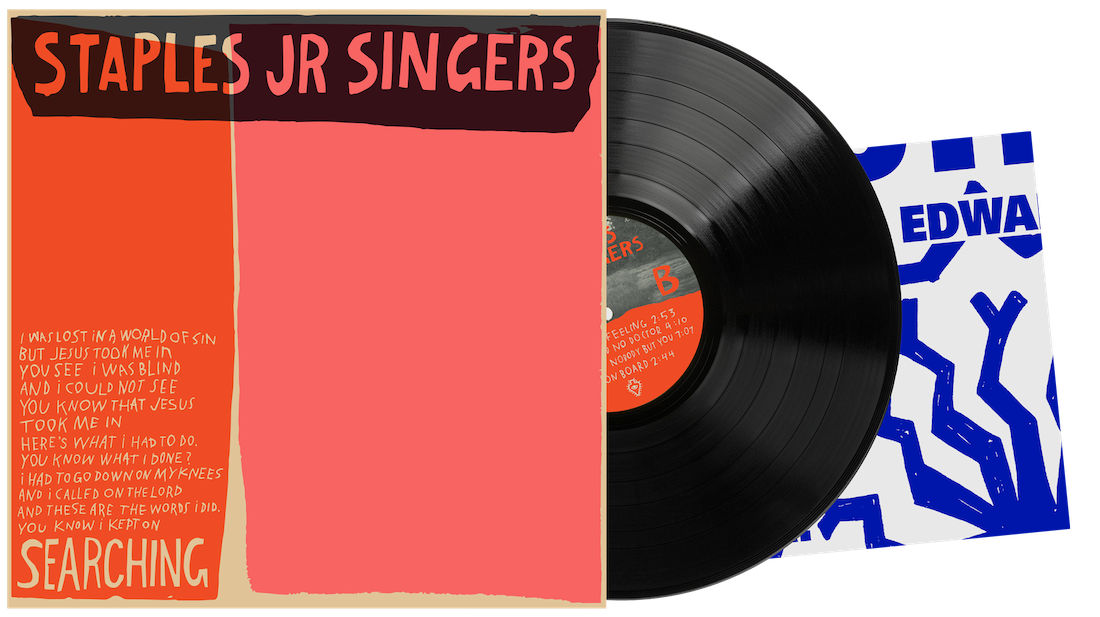
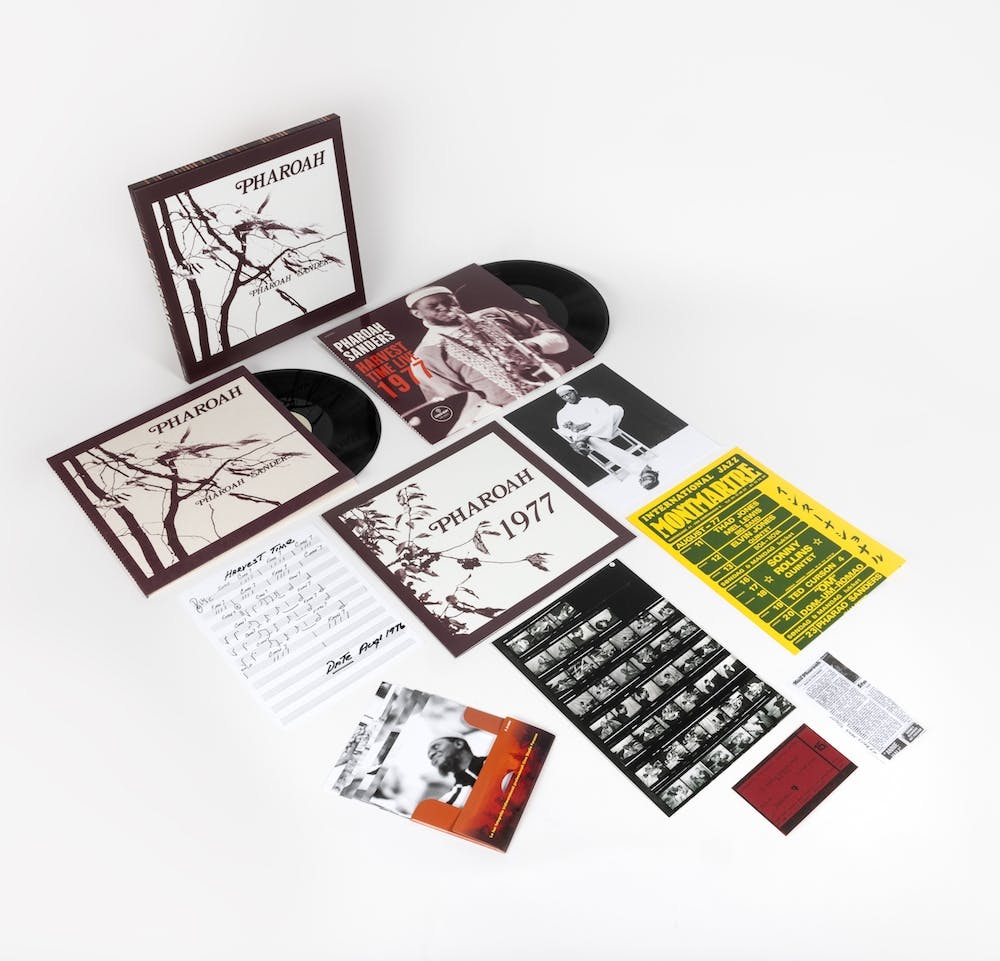
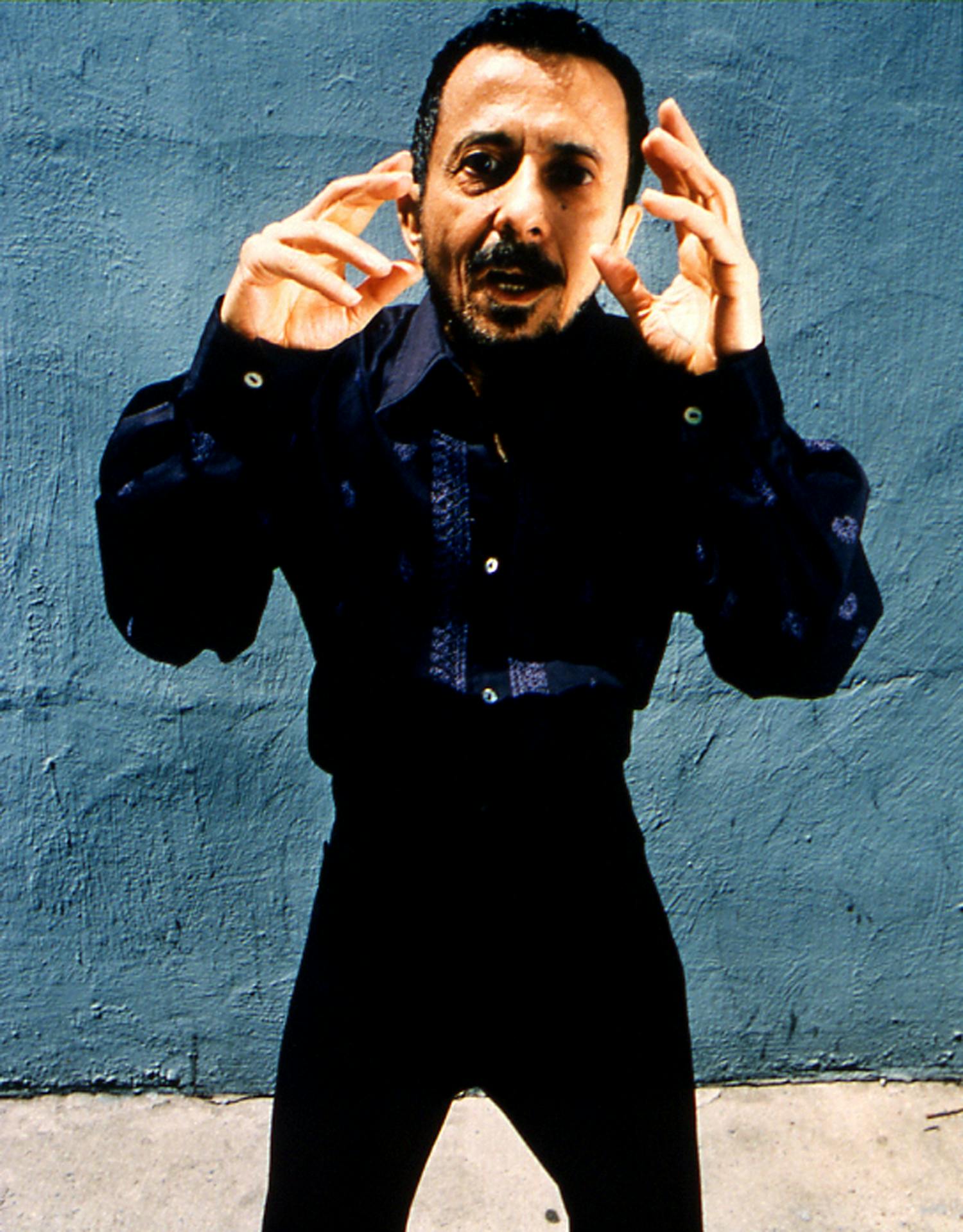
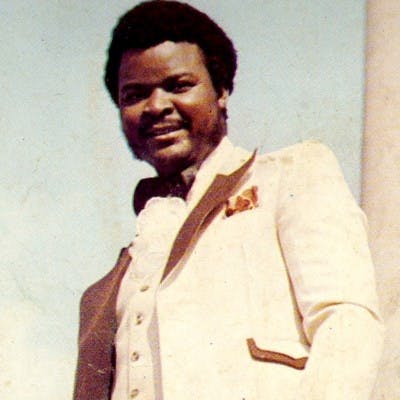
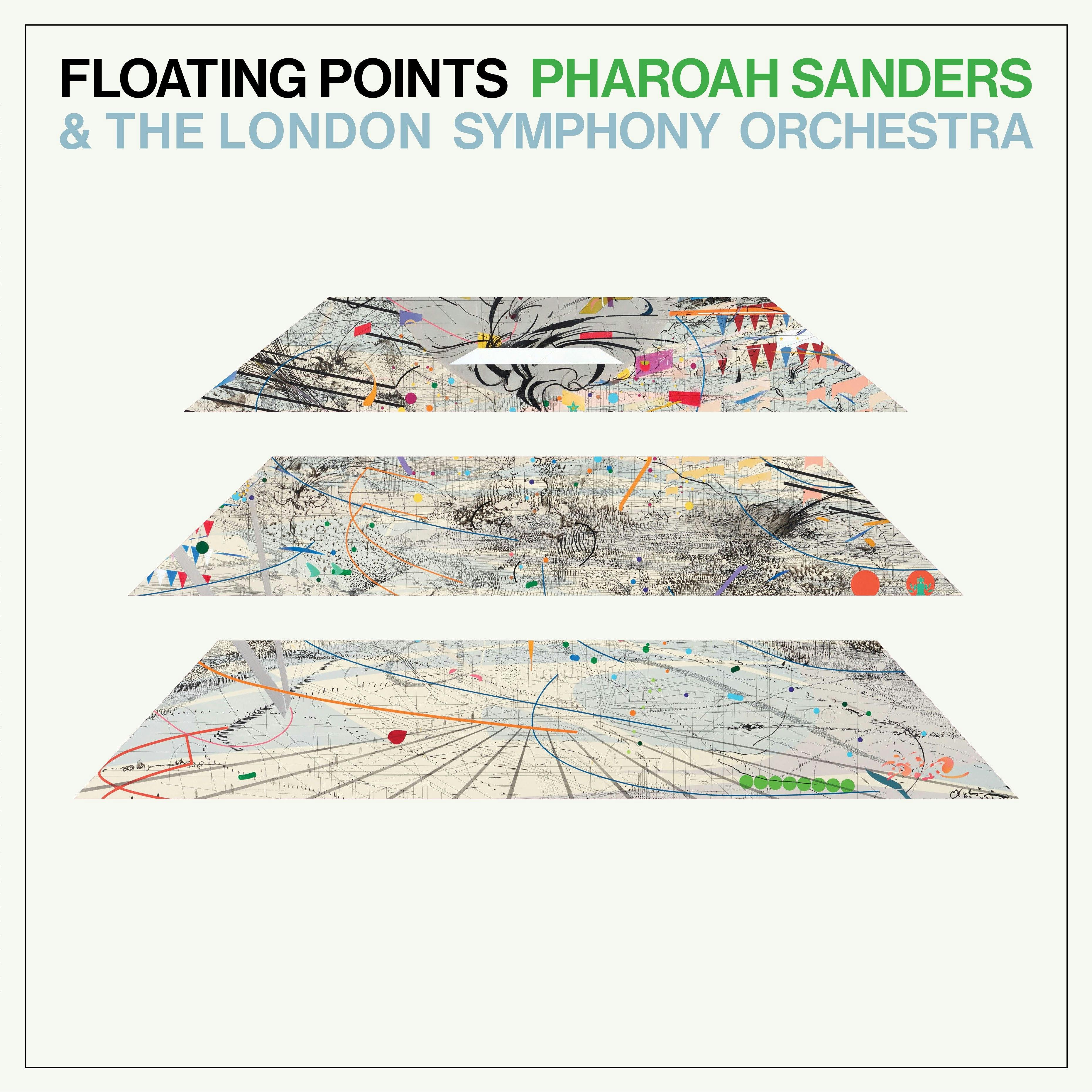
We are doing a Tom Ze box to be released this October. Box sets are about as much work as you would think they would be, what with the production of all the parts and making sure everything is on schedule etc. One of the production aspects is the making of the actual box. Today Mat and I went out to Capital Box to hand number the boxes they were assembling.

I love old factories and just watching things being made, especially at places here in the US where things are made way they have been for ever.

Here are the machines Capitol Box uses to put together our limited edition box of Tom Ze vinyl:

After Capitol Box we went to 21st Century Finishing, a much more modern facility as you can tell from the name. I mentioned to them that it was a good thing they were 21st Century, and they said as a matter of fact they have been 21st Century for the last 20 years! Ahead of the curve I guess.

Here we put the gloss finish on the box which they did in between working on a Barbie package!


April 14th, 2010

Our New Things
We don’t normally sign too many new things at one time. This year however we are releasing first time albums from three different new groups. We unearthed this Soul Train video to give you a better idea of what these three new groups are like and also preview a bit about a pending new Tom Ze album:


ephemra

January 15th, 2010

Every passion borders on the chaotic, but the collector’s passion borders on the chaos of memories. (Walter Benjamin)

I saw a bit of that Simpsons Anniversary movie. There were fans featured in it who collect every bit of Simpson detritus. Those collections looked so lifeless to me. Especially in comparison to this Chinese woman who, after the cultural revolution, saved everything. Every bag, every box, the styrofoam that came in the box as packing! Every bottle cap. In the clamor to rebuild China anew they were taking down this woman’s house. Her son, a child of the next Chinese generation, is an artist who tuned the house itself and all that was collected inside into art, and it’s beautiful.

I moved to NYC in the late 70′s and worked at a record store in Soho that had a pretty deep catalog. A lot of interesting folks lived in the neighborhood and visited the local art galleries. David B and B. Eno used to come in and buy African records and many other downtown NY musicians also came in. Some (like John Zorn) worked there. It was a wonderful time in NYC.

I am someone who saves stuff. I would probably save everything in my life if I could. My wife on the other hand is someone who throws everything out. We had to go through a closet the other day, and I must admit wondering what the hell I am saving this stuff for.

Here are some samples:

A week at Irving Plaza in the early 1980′s.

When they built the World Trade Center in the 1960′s they dug out a huge amount of sand that they decided to use as landfill to create a neighborhood now called Battery Park City. Before this was built however there was, well, sand dunes…and sort of a beach. It was super cool to be in NYC all urban and all and be at the same time away at the beach, at least the sand part as there was no waves or ocean. Creative Time, an arts organization that has used interesting spaces to do projects for quite a long time, would take over this strange NYC space every summer and do a series of architectural installations that would also have music.

One of the most memorable performances was one by Australian Aborigines. We were all sitting on one of the dunes facing away from the Twin Towers when we heard a clicking sound, and then a didgeridoo from behind us – but there was no one there. And then they appeared. I still can visualize it. Here is a photo from the Village Voice with the Australians on a local city bus that took them to the show.

I feel we are once again in another period of great creativity in New York City, at least on the musical side of things. Javelin is a super creative band from this new York scene whose first album we are releasing on April 20th. They have done two limited edition 12″s with that fantastic Chicago label, Thrill Jockey, which you can find here. And check out this little movie of how George and Thom create the magic. Tune in an Afternoon: Javelin

In 30 years someone else I am sure will be cleaning out their closet and post (in whatever way that is done then) a little missive based on the ephemera time we are in now in NYC. Here’s to you.


The Minimalists

October 16th, 2009

I haven’t posted anything for a while though I have written this post off and on for the past few weeks. I was trying to figure out how it was relevant to anything in particular when it hit me. Last week we mastered The Terror Pigeon Dance Revolt! album and while sitting in the mastering lab (cool that they still call it a lab, no?) I was thinking how Phil Glass-ian parts of the album sounded. And I realized that one of the points I am trying to make below is how something that sounds at its most exotic, which is the repetitions in Far East Asian music, slowly moves through society from adventurous and world traveling composers in the 1930′s to young classical composers in the 1960′s to European rock bands in the early 1970′s to now when it is a very normal sounding part and source material for contemporary life and music. And though I mention below the influence the minimalist composers have had, it is perhaps so ingrained in our societal language that someone like Neil Fridd of The Terror Pigeon Dance Revolt! doesn’t even think, “Oh this is a Phil Glass or Steve Reich part of my music.” It just is the next part…

Bill Bragin, who works at Lincoln Center, sent out this pretty neat Youtube piece, “In b flat”, and mentioned how it was influenced by Terry Riley and his early seminal piece, “In C” (version of that youtubed below).
By using multiple contributions from Youtube, Darren Solomon from Science for Girls recreates the feeling you get from listening to (or performing) that Riley work.

I went to art school for a year and had an electronic music course where I was exposed to these early minimalist works as well as music from Indonesia. One of the most eye-opening pieces for me was from Bali and was included on a record at that time called Music From the Morning Of the World. One side of the album contained the “Balinese Monkey Chant.” Funnily enough, the Monkey Chant was actually created by two Westerners, German painter and musician Walter Spies and classical composer, Colin McPhee. McPhee, having heard Indonesian music from recordings played for him by one of the inventors of modern music, composer Henry Cowell, moved to Indonesia to fully immerse himself in that culture. He ended up writing the first book on Indonesian music that was so defining the Indonesians themselves used it to study their own music. He and Spies combined a few different existing elements to create the Monkey Chant that is such a well known piece today. McPhee moved back to the United States and for the most part created one seminal orchestral piece based on his love of Indonesian music, “Tabuh Tabuhan”.

I actually started this post because I was thinking how much Steve Reich and Terry Riley have influenced current bands. Those early minimalist pieces that came out at the end of the 1960′s and beginning of the 1970′s were also influencing a small group of musicians at that time, even though they were pretty damn obscure (and there was no internet).

When the minimalists started, they obviously made a big impression on what was mostly the “Krautrock” scene, which included bands like Can Faust, Neu and the UK band, Soft Machine.

The connection between Krautrock and the minimalists was made more obvious for me with an album Faust released with Tony Conrad. I was a big Faust fan but had never seen a photo of what they looked like, read an interview with them, nor had I ever heard of them playing anywhere. They had only made a handful of records – one of which however was with Tony Conrad. The Tony Conrad and Faust album is high minimalism, so repetitive the grooves on the vinyl disc itself form a visibly repetitive pattern. I never found it a lot of fun to listen to. Tony Conrad himself, all real and non-mystical, walked into the NY City record store I worked in 1970′s. Of course I asked how the hell did an album with a group hardly anyone had heard of at that time, or had seen, ever come about? Tony was a filmmaker and violinist on an art tour of Europe. Someone asked him if he wanted make a record, he said sure and according to him he was sent to a castle in Germany and made this album which is all of two side long pieces and that was pretty much the end of it. He didn’t know who Faust was and no one had really paid any attention to the album when it came out. I am not sure anyone pays attention to it now.


September 25th, 2009

The guys of Javelin sent me this track and I started thinking about “music” that wasn’t necessarily thought of as such by those making it.

Here is a track of Pygmys hunting. PygmiesHunting.mp3
They are making sounds as they chase animals into a net. When I used to play this at home it would freak out the neighbor’s cat.

And here is music that is a game:

or just a bath:

or working:

Someone whose work is sort of on this subject is the artist and composer Phill Niblock who makes movies of people working that accompany his music of slowly evolving drones.

In his series of films, titled The Movement of People Working, you have music that perhaps many people will not recognize as being musical accompanying silent projections of people who could be making sounds that we might feel actually is music.

This last track is a favorite of mine; it’s from a record called Street and Gangland Rhythms on Folkways circa 1959. GangFight.mp3

The kids sound very young on this album subtitled Beats and Improvisations by Six Boys in Trouble.
Again, is this is some sort of a game or acting out of real life?


September 17th, 2009

As is often the case when we sign an artist, Susana Baca had never made an album in her home country of Peru. Susana told me a story about meeting one of Peru’s most respected singers, Chabuca Granda, who became her mentor. Chabuca went to her record company in Peru and told them they must make an album with Susana.

So Susana and her husband, Ricardo, set up a meeting with the heads of Chabuca’s record company to discuss Susana’s upcoming album. They told Susana that she must wear a short skirt and a wig on the cover and as Susana told me, she thought to herself, “Well, ok. If this is what I have to do to get an album out, I’ll do that.” Shortly thereafter, Chabuca Granda died. When Susana called the record company a few months later and said, “I am ready to do that record now,” they said, “Well, sorry. Since Chabuca is no longer with us we are no longer planning on doing your album.”

Years later we started recording with Susana. As many of you might know, David Byrne was introduced to her music by his Spanish language teacher (who was from Argentina and had done a video of Susana). The one -fantastic- song on the video, Maria Lando, prompted us to do a compilation of Afro Peruvian music, a music that up until that time had very little attention paid to it, even in Peru.

The album was a revelation for people, as was Susana. At one point she even won a Grammy, the first Peruvian to ever do so. At the time I remember walking down the streets of the West Village with her when the president of Peru called her on her cell phone to congratulate her!

We have just released a new small collection of songs from Susana dedicated to her mentor Chabuca Granda. It’s called Seis Poemas. It is something of a small gem.

As a side story, I was in Peru in the 1970′s. If I heard something good coming out of a record store when walking down the street, I would duck in and buy it, which was usually a 45 single. The record store owner would have a stack of singles on the turntable and take the top one off that he was playing – sell that to me and put the needle down on the next one. One store I went into was playing an Afro Peruvian song (of course, at the time I didn’t know it was Afro Peruvian I just knew it was different and that I loved it) and when I said “I’ll take that,” the guy in the store handed me a four album box set of Fania material. “What the hell?” I thought. I just wanted that one song which didn’t sound like typical salsa to me. Nonetheless, thinking that perhaps it was a special Peruvian-style Latin music box set on Fania in Peru, I paid the relatively big bucks it cost and took it home. It was a good set, of course, of Fania material in that label’s prime, but not Peruvian – except for the one Celia Cruz cover of Tora Mata. A song that, as it turns out, Susana also sings, though not on this new release.


September 3rd, 2009

We signed Cornershop in 1993 I believe. They were two guys really, Tjinder Singh and Ben Ayers and were recommended to us by Warner Bros A&R man Tim Carr, who probably thought – it has a sitar, I’ll suggest it to Luaka Bop. It took Kat Egan (who worked at Luaka Bop then) and I months to convince David we should sign them. David probably figured, I didn’t start a label to sign English language rock bands (even if they have a sitar).

Tim Carr had recommended that I meet Gary Walker who owned Wiiija Records at the time. It was he who signed Cornershop. Gary had worked at Rough Trade Records SHOP whose UK zip code was w11 1ja (west 11 1 JA) so when the shop decided to start a label with Gary they called it Wiiija. (Rough Trade Records, the label, was inactive then. Later on Martin Mills, who will reappear later in this story, bought Wiiija and with it Cornershop’s contract.)

One rainy night we all went to Maxwell’s in Hoboken, NJ. to see Cornershop’s first U.S. gig. Everybody seemed pretty pleased with them after that. I was the only one who had seen them up until that point as I had a attended a show in London at the Rat & Fink, or Puke & Ale or some such oddly named British pub that no one thinks twice about over there. The band played sitting down! In a pub situation with almost no stage, if you weren’t in the front row you saw nothing. I mentioned that this might not be the way to go when they played in the States. Someone else mentioned that when UK bands got on the plane at Heathrow they were musicians – when they got off the plane at Kennedy they were expected to be entertainers.

Anyway, many of you know how successful the band became. It was released soon after Geggy Tah’s “Whoever You Are” which was also a big success. After that, Warner Bros starting looking at us as a label that was doing more than just weird world music. In fact, for Cornershop’s first L.A. gig after “Brimful of Asha” came out, almost the whole Warner record company, from the chairman on down, had a pre-concert party across the street from the venue. As a tribute to the band j’s were passed around and everyone got high!

Tjinder and Ben have just put out a new album which they are selling directly. I was reading some reviews in the UK press and this one in the Guardian prompted me to write this post in the first place:

Those marvelling this week at the Horrors’ journey from music press joke to Mercury prize nominees have a point: six months ago, it would have seemed hilarious and terrifying, like giving the Richard Dimbleby Award for Outstanding Personal Contribution to Factual Television to Vernon Kaye for All Star Family Fortunes. But the Horrors’ career curve comes with a kind of precedent, in the shape of Cornershop.

They began life as a sort of race-relations wing of the riot grrrl movement, publicly burning posters of Morrissey and releasing records on curry-coloured vinyl. Despite the political stance, there were suggestions that something rang false: for some reason, the music press decided that frontman Tjinder Singh was lying about guitarist Avtar Singh being his brother, which possibly tells you less about Cornershop than it does about the paucity of real news in the music press circa 1992.

The situation was compounded by their live performances, which evinced a kind of aggressive incompetence. You were inexorably reminded of punks talking about seeing the Slits or the young Siouxsie and the Banshees, boggling at the fact that a band who apparently couldn’t play at all had dared get up on stage: it wasn’t so much the feeling that Cornershop were in a grand amateur tradition, more the sneaking suspicion that compared to the racket Singh and co made on a rough night, the Slits and the young Banshees probably sounded like the Royal Philharmonic Orchestra.

And yet, a couple of years later, Cornershop were nominated for the Mercury prize for When I Was Born for the 7th Time: they were not the only people in the late 90s to try melding indie rock, hip-hop, electronica and Indian music, but they were the only ones who made it sound like fun. Then they became pop stars by mistake – courtesy of Norman Cook’s chart-topping remix of Brimful of Asha – a state of affairs Tjinder Singh seemed to welcome with the enthusiasm people normally reserve for unexpectedly large tax demands. They eventually went into semi-retirement: Judy Sucks a Lemon for Breakfast is the first Cornershop album in more than seven years.

Damn I wish I could write like that. This particular comment, “a state of affairs Tjinder Singh seemed to welcome with the enthusiasm people normally reserve for unexpectedly large tax demands.” made me recall how difficult Tjindar was. One day he called me up from what I thought was a hotel room which he seemed to be trashing as he was yelling at me. I put it on speaker phone so David’s assitent, Sarah Caplan, who was the only one in the office at the time could share this. As it turned out Tjinder was at home and smashing a pot on top of the counter for emphasis, as he told me later.

Tjinder is a super intelligent and talented person. And when you are with him he is amazingly charming and fun to be with. However, he has rages that make you question why you got into working with music in the first place. In fact this current album was supposed to come out on the wonderful Domino label. But Lawrence, who owns Domino, has a monthly dinner with Martin Mills, (himself a right difficult person) and is the owner of a ton of indie labels: Beggars Banquet, XL, 4AD, Too Pure, Matador, Wiija and a few others.

At one of those monthly dinners, Lawrence mentioned that he was going to release the new Cornershop album. Martin told him that Tjinder had provided him with the most difficult experience he ever had in the record business. When Lawrence told Tjinder that comment, Tjinder said, “I was really doing my job then wasn’t I.” Needless to say, Lawrence passed. Ben worked at Rough Trade Records (the now restarted label) and so it looked like the guys were going to bring the band there. And then Rough Trade was sold to…guess to who? That’s right! Martin Mills!

Cornershop had a hit, not only in the UK but here as well with a song about an Indian film music star, sung by someone with Indian parentage and with a sitar to boot. That was ground breaking then and stands as a testament to Tjinder’s genius. We do miss working with him, though not the pot smashing part of course.

Let me leave you with another new song:


August 19th, 2009

Pitchfork has become among the most influential ways of introducing people to new music. And boy they have really taken a shine to Javelin – with whom we will eventually put an album out. Check it out here:


Tuesday, August 18

Rising: Javelin


Rising: JavelinBrooklyn-based duo Javelin‘s self-released Jamz n Jemz LP plays like an otherworldly radio station based in some crate-digger bunker where genre distinctions are a distant memory. Unidentifiable hip-hop, rock, oldies, and rhythms from all over the world mingle across the tape’s ramshackle tracks as Tom van Buskirk, 27, and George Langford, 29, turn their random eccentricities and dollar bin gold into first-hand art. Live, the pair are currently employing a 20-boom-box-strong soundsystem to transmit strange frequencies to ever-larger (and dance-prone) crowds.

Their homemade mixtapes landed them two record deals with prestigious labels, Luaka Bop and Thrill Jockey. Thrill Jockey will release a limited run of two 12″s this fall– in the composite DIY Javelin spirit, each LP will come inside a silk-screened thrift store sleeve– with a full-length in store on Luaka Bop for next year. Meanwhile, they’re making mixetapess for Luaka Bop (which you can download here) and fielding remix offers from the likes of the Very Best.

On the eve of their first U.S. tour, I met the guys at a Brooklyn diner to chat about collecting records, Girl Talk, and the state of the art of sampling:


Pitchfork: How do you two know each other?

Tom van Buskirk: We’re cousins, so we grew up together. We started making music as Javelin around 2004. It was really slow figuring out how to do a show. That’s part of the reason why this is our first tour.

Pitchfork: So it took you four years to get a set together?

TVB: [laughs] Yeah, there was a gestation.

George Langford: We were recording a lot, too– we probably have more than 100 songs at this point. But our live show started to come together once we got this broadcast FM transmitter. That’s when we started collecting boom boxes and making this weird sound system– we have about 20 now. So we broadcast onto a radio station and then all the boom boxes tune into the same station.

Pitchfork: How much of the live show is spontaneous?

TVB: Very much. When we were just starting out, it was just two of us playing on two MPCs. But then I started getting on the mic and making up lyrics. There was a New Year’s gig where I was performing without George and I wasn’t going to just sit there and play with my machine. Plus, I really wanted to…

GL: …rap.

TVB: [laughs] Yeah. So I just started making stuff up, like, “This is a song for Soda Popinski/My spirit animal would be Klaus Kinski.”

GL: A lot of those lyrics are coming out of the boom boxes, so you can’t really understand what he’s saying…which may be for the best.

Pitchfork: Did you ever consider going in more of a Girl Talk-type direction?

TVB: With Girl Talk, I’m like, “Thank God someone did that, because now I don’t have to.” Nowadays you can just be like, “Bruce Springsteen and Ludacris! I can do that right now! In two minutes!” I went through a phase where I wanted to take everything we made and mix it with something that was popular, but now our method is actually really old school– it’s all just manually chopping samples.

GL: Preparing for this tour, we were trying to put in some more live instrumentation, too. We could have this stuff all synced up and beat matched, but that’s what everybody does. The minute you put something onto media, it’s two-dimensional. You can just be a DJ and play that music or you can figure out a way to resurrect it.

Pitchfork: When did you start collecting records?

TVB: I was about 15. I made a pact with myself that I would never spend over five bucks on a record, and I’ve stuck to that. I started sampling stuff at 17– I remember when Beck put out Odelay, I was listening to the samples, like, “Where do you find that?”

Pitchfork: Do you have any particularly great crate-digging finds?

TVB: I was in this mom and pop store in Argentina and I got a few compilations of radio hits as done by other artists. Like, some band doing “I Think We’re Alone Now” with all weird reverby sounds.

GL: Yeah, the Spanish version of “Video Killed the Radio Star” is perhaps the best thing ever.

Pitchfork: Do you guys have rules, like you can only sample stuff from vinyl?

TVB: No way, if you sample vinyl you’re screwed because it’s all compressed. You need your own raw sounds.

GL: We steal samples from records a little bit but for a long time we’ve just been sampling ourselves. We both play lots of instruments.

Pitchfork: What percentage of Jamz n Jemz is sampled as opposed to played?

GL: It’s around 50/50.

TVB: A lot of songs contain no samples.

Pitchfork: Do you guys worry about clearing samples at all?

GL: With our song “Soda Popinski” I thought it was based on a sample from a Nintendo game. So somebody actually went and talked to Nintendo for us and they were like, “We don’t care as long as it’s not a Jay-Z level hit.”

TVB: During the wild days of sampling in the 80s and early 90s, someone like De La Soul would just be like, “We’re going to use Steely Dan on this one.” And they did it. Then, for a time, that was unthinkable. But now things are so fragmented it’s almost getting back to how it started.

Pitchfork: In our review of your CD, we mention some stylistic similarities to J Dilla. Was he a big influence on you?

TVB: Yeah, that’s huge. The things that stick with me from him are brevity and how he compressed the shit out of everything. I love that.

GL: And just how he uses tiny snippets of words to communicate, like on Donuts. It’s all so artfully done and yet off the cuff. You listen to his stuff and, after digging a little bit, you realize the songs aren’t really made up of a lot of other shit. A lot of them are just edits of one or two tracks. But it doesn’t matter because you’ve never heard the song like that before.

Posted by Ryan Dombal on August 18, 2009 at 8 a.m.


August 5th, 2009

I used to be into reading about music, why music affected us as it does. And thinking about the lessons of John Cage’s Silence regarding how all sound is, (or can be), music. I’m not as interested in looking for the whys and wherefores of musical science or philosophy anymore. I’m just interested in joy.

This crappy quality video shot of Eddie Palmieri in the 1970′s is a perfect example of what I’m talking about. This song” Vamonos Pal Monte” was always a favorite of mine so it’s hard to tell if you, dear reader, will feel the same way about it. However, not only is it my joy I’m interested in but the joy of the people making the music. Watch Jerry Gonzalez on conga, and his brother Andy on bass and then the camera pans to Eddie himself, head back, mouth open, soloing on top of his band, with his brother Charlie on organ(!), outside, in NYC, with a large crowd at one of those free summer concerts that is one of the joys, (again), of being in NYC in the summer.


Javelin

July 10th, 2009


Unlike The Terror Pigeon Dance Revolt!, Javelin is a group that is damn hard to search for on the web. We posted a podcast from them about a month ago. A friend of mine, Phil Bither, who programs the Walker Art Center, said “That’s a new business plan? You just post stuff online for free and don’t put out any albums.” Hah!

George and Thom have just done a new one that is really fantastic. Much of it is comprised of our Vijay Anand and African Pyschedelic releases all reconfigured and recombobulated into something even better.

Some things that come up when you google image search javelin music:


Here is a review of one of their tracks that Pitchfork loves.

And here is a Javelin video that we love as well: